Best AC Repair Services Near Panama City Beach Attractions: Stay Cool at Pier Park & Shipwreck Island

How to find a quality AC Repair Service in Panama City Beach Florida.

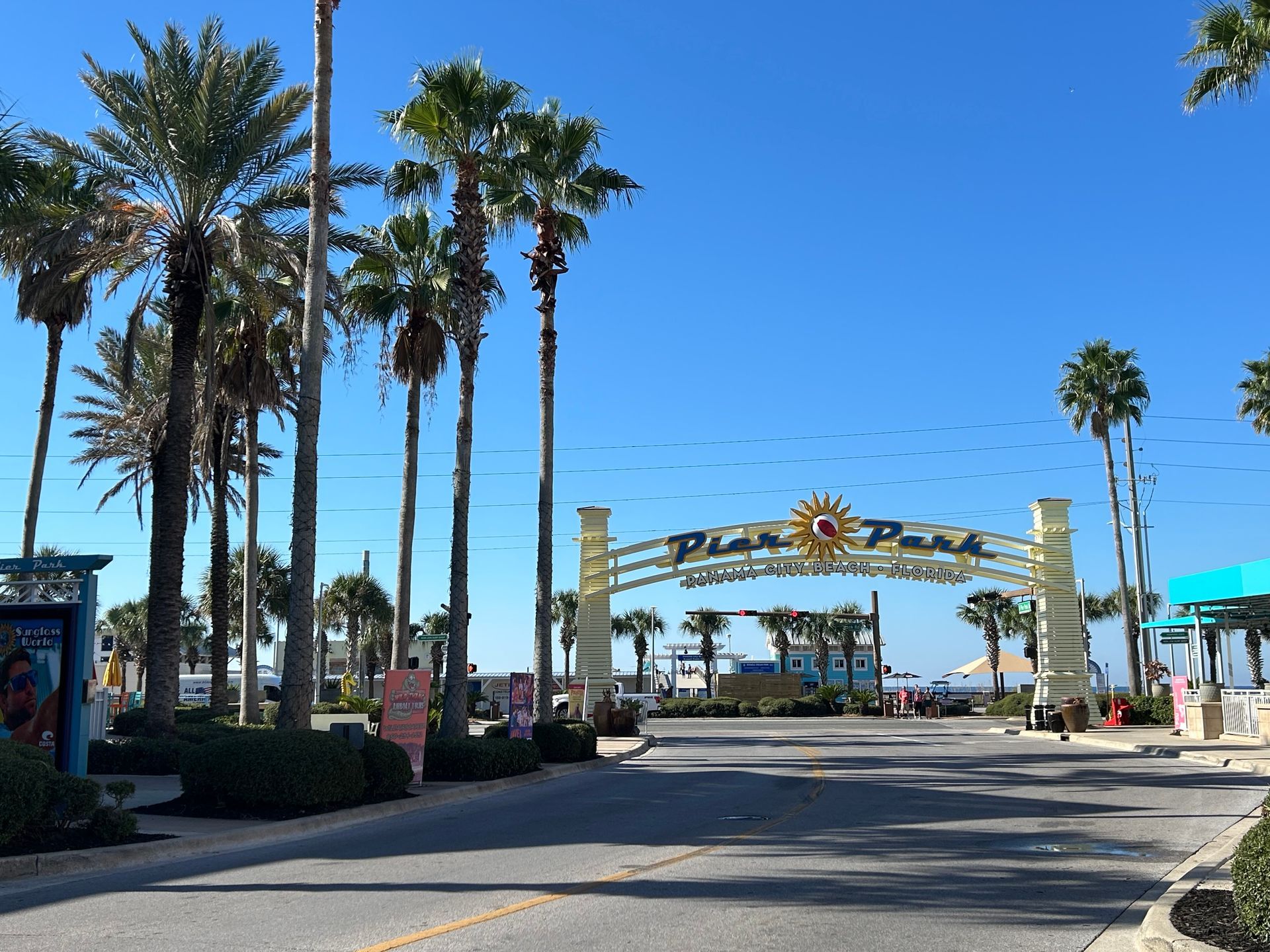
Panama City Beach (PCB) is a dreamscape for sun-worshipping vacationers, who revel in Pier Park’s shops by day and Shipwreck Island Waterpark’s rides after the sun goes down. But when you’re sweating it out in the heat of Florida, a broken air-conditioning unit can make your dream vacation — or your rental home’s reputation — feel like a nightmare. At A Superior Air Conditioning, we excel in quick, dependable AC service and preventive maintenance for homes, investment properties, and commercial locations near the best of what PCB has to offer. Here’s how we keep locals and visitors chilled when it counts the most.


Why AC Repair Near PCB Attractions Calls for Expertise


1. Proximity to High-Traffic Tourist Zones

Fla. Homes and rentals close to Pier Park and Shipwreck Islands have their own

challenges:

24/7 usage: Air conditions are cranked up around the clock to fight heat and humidity.

Salt air corrosion: Beachfront homes off Thomas Drive or Front Beach Road combat

rusted coils and electrical conduction problems.

High guest turner: You need your air clean and your cooling functioning flawlessly for

vacation rentals if you want to avoid bad reviews.


2. the owners of a vacation rental can ill afford lost time

A/C is busted and it’s the goldilocks temps, because:

  • Lost bookings and refund requests.
  • Bad reviews that damage future income.
  • High-demand emergency repair fees.


3. Storm Vulnerability

Summer storm systems near PCB, and water or wind damage, may flood units, cause a

loss of power, or clog systems with debris. And fast fixes are important to prevent mold

and long-lasting damage.


Best 5 AC Services Near Pier Park & Shipwreck Island


1. 24/7 Emergency Repairs

When your AC stops working in the middle of a heatwave, every minute is crucial. We

answer in less than 90 minutes to repair:

  • Blown capacitors or tripped breakers.
  • Frozen coils from refrigerant leaks.
  • Salt-corroded wiring or condenser units.


2. Pre-Season Maintenance Plans

Don’t get a mid-summer crash – get our PCB Attraction Special :

Clean your coils and have the sand, salt and debris cleaned out.

Aeroseal Duct sealing (We were one of the first HVAC companies in Knoxville to use

this technology).

Thermostat calibration for optimal efficiency.

Bonus: Book by May 1 and receive 10% off + FREE air filter bundle.


3. Vacation Rental HVAC Programs

Specifically designed for locations in proximity to PCB attractions:

Bi-annual tune-ups (pre-summer and post-storm).

Tamper-proof settings with smart thermostat installs.

Service priority to correct issues before guest arrival.


4. Storm Damage Recovery

After summer storms, we:

Joe Donor: Pump water out of outside units that have flooded.

Install new components such as surge-smoked capacitors and circuit boards.

Mold killer and mildew killer kills mold and mildew on contact and is also effective in

preventing mold and mildew on surfaces. Clean ducts to eliminate mold There’s the rub:

chemical solutions can clean surfaces and kill spores, but nothing can prevent mold

spores from getting into the air ducts within a workspace or home.


5. Energy-Efficient Upgrades

Slash utility bills with:

  • AC units with an inverter that react to occupancy.
  • Multileveled rentals with zoned cooling.
  • UV air purifier that all but removes allergens and odors.


Case Study – Rescue at Pier Park Rental Property


The Crisis

An air-conditioned, five-bedroom vacation home half a mile from Pier Park lost AC in the

middle of a July heatwave. With visitors due in 6 hours, the homeowner was looking at:

$1,200 in potential refunds.

Panicky 1-star review risks.

A compressor destroyed by salt corrosion.


Our Solution

Showed up 75 min later and troubleshoot problem.

Changed the compressor and added a gene resistant to salt.

Charging description Cleaned clogged drain lines, and installed a smart thermostat.

The Result

Cooling was back on 2 hours before check-in.

One guest wrote a 5-star review raving about “ice-cold AC.”

The owner signed up for our Rental Owner Protection Plan for future protection.


Typical AC Problems Near PCB Attractions (And How We Solve Them)


1. Salt Air Corrosion

Problem: Coils, wiring, electrical panels get rusty in the coastal humidity and salt.

Solution: use corrosion resistant coatings and components; materials.


2. Clogged Drain Lines


Issue: Algae buildup from high humidity clogs drains and leads to leaks.

Fix: Hydro-jet drains and add algae resistant tablets.

3. Overworked Compressors

Issue: Compressors burn out when nonstop cooling needs near Shipwreck Island are

required.

Fix: Install variable-speed compressors, and improve insulation.


4. Thermostat Tampering

Problem: Frequent fiddling with temperatures wreak havoc on systems.

Fix: Replace with locked smart thermostats that can be remotely monitored.


5. Post-Storm Electrical Surges

Issue: Bolts of lightning destroy HVAC electronics on North Lagoon Drive.

Fix: Whole-home surge protectors; fast capacitor replacements.


Why Pick A Superior Air Conditioning Near PCB Attractions?


Local Expertise

20+ Years of Service:

How does beach weather affect your A/C and heating systems?

The rush for repairs for vacation rentals.

City codes for properties near conservation areas.

Faster Response Times

Depot: Panama City Beach30 minute arrive and drive track 90-minute fast food

emergency service Included.

Same-day appointments for pre-storm tune-ups.


Rental-Owner Focused

Repairs after hours, so as not to inconvenience guests.

Detailed service reports for managers/owners of properties.


Transparent Pricing

No sneaky fees — receive quotes upfront by text or email.

Finance options for new installations.


3 Ways to Avoid AC Disasters Close to PCB Hotspots


1. Schedule Pre-Summer Maintenance

Clean coils and check refrigerant levels before the peak tourist season.


2. Upgrade to Smart HVAC Tech

Remote monitoring and outage alerts for rentals with smart thermostats.


3. Install Surge Protectors

Protect your AC from Gulf Coast thunderstorms.


Don’t Get a Broken AC Mess with Your PCB Fun!

Whether you’re entertaining in your home near Shipwreck Island or taking a break from

the heat in a house near Pier Park, A Superior Air Conditioning is there for you with

speedy service you can rely on. From 24/7 emergency repairs and coastal-ready

equipment to years of vacation rental service, Panama City Beach trusted HVAC

Partner.

Act Now to Save!

Call Today: (850) 258-3225

Book Online: asuperiorac.com/pcb-ac-repair

Special Offer: Enter “PCB COOL 100” at checkout for $100 off

A Superior Air Conditioning Company Blog
By Josh Heverly October 31, 2025
Coastal life around Panama City, Panama City Beach, 30A, and the Gulf Coast comes with a hidden HVAC tax: salt, sand, and relentless humidity. Left unchecked, they shorten equipment life, raise energy bills, and trigger midsummer breakdowns. Here’s what’s happening to your system—and how to stop it. Why corrosion speeds up near the coast! Salt aerosol from the Gulf rides the breeze as a fine mist. When it settles on your outdoor condenser, it mixes with humidity and forms a thin, conductive film. That film drives galvanic corrosion where dissimilar metals meet (aluminum fins, copper tubing, steel fasteners). Repeated wet/dry cycles —foggy mornings, sunny afternoons—accelerate pitting on coils and rust on cabinets and hardware. At the same time, sand and fine debris lodge in the coil’s fins. That clogs airflow, forces the compressor to work harder, and traps salty moisture against the metal—multiplying corrosion and choking efficiency. Early warning signs White, chalky residue or dark spots on coil fins Rusted screws, fan guards, or cabinet edges Louder outdoor unit, longer run times, or poor cooling on hot afternoons Refrigerant leaks from pitted coils (often after a storm season) How to protect your AC (what works on the Gulf) Choose coastal-rated equipment. Factory ecoat/epoxycoated coils , stainless or coated hardware, sealed electrical compartments, and UV resistant paint stand up better to salt air. Rinse with fresh water—regularly. With power off , hose the condenser top to bottom monthly in season and after storms . Avoid pressure washers and harsh chemicals; they bend fins and strip protective layers. Apply professional coil coatings (when appropriate) . After a deep clean and neutral rinse, a compatible coating adds years of protection. (The wrong product can insulate the coil—use HVAC specific coatings only.) Elevate, anchor, and place wisely. Install on a composite pad with proper drainage and hurricane tiedowns. Keep clear of irrigation spray and use a codecompliant wind break or fence to deflect direct salt spray - while maintaining manufacturer clearances for airflow. Stop the sprinkler and string trimmer damage. Redirect heads and add a guard to prevent constant wetting and nicked fins. Schedule coastal maintenance. Biannual tuneups plus quarterly freshwater rinses near the beach. We clean coils, treat drains, verify airflow/static pressure, and check coating integrity. Mind the ductwork and filters. Salt and sand that enter through leaky returns or clogged filters end up on the indoor coil. Seal returns in attics/garages and keep to a 1–3 month filter cadence. What not to do Don’t bag the condenser in plastic. It traps moisture and accelerates corrosion. Don’t use acidic cleaners or bleach. They can attack aluminum and protective coatings. Don’t ignore small rust spots. Surface rust spreads; touchups and hardware swaps are cheap insurance. Your coastal plan, done right A Superior Air Conditioning Company specifies coast already systems, applies compatible coil coatings, sets placement to reduce salt exposure, and builds a maintenance schedule that fits your proximity to the surf. Want a quick coastal assessment for your home or rental? We’ll document risks, estimate remaining life, and outline a plan that keeps you cooler, longer—without paying the corrosion tax. Performing HVAC Maintenance Where There’s Lots of Sand in Coastal Florida A Superior Air Conditioning Company Along Florida’s coast, sand + salt + humidity is a tough trio for HVAC systems. Grit works its way into coils and cabinets, sand drifts restrict airflow, and salty moisture accelerates corrosion. The result can be higher bills, hot rooms, and midsummer breakdowns—unless you maintain with the coast in mind. Here’s a practical plan from A Superior Air Conditioning Company to keep systems clean, efficient, and storm-ready. Start with safety and basics Always shut off power at the thermostat and breaker before outdoor cleaning. Keep 2–3 feet of clearance around the condenser. In sandy yards, use a firm base (composite or concrete pad) and consider pea gravel rather than mulch, which can blow into the coil. Keep sand off the outdoor coil Monthly freshwater rinse (in season): With power off, hose the coil top to bottom to wash out sand and salt. Skip pressure washers and harsh chemicals; they bend fins and strip protective coatings. Deflect the grit: Reaim sprinklers and leaf blowers away from the unit. If wind funnels sand directly at the condenser, add a codecompliant wind break or louvered fence , preserving manufacturer clearances. Cabinet touchups: Surface rust spreads fast near the coast. Lightly clean, dry, and touch up paint or replace corroded screws with coated/stainless hardware. Control sand at the return—filtration that fits Sand that bypasses doors and windows winds up in your return duct and on the indoor coil. Use a properly sized filter with a snug fit. Start with MERV 8–11; only step up to MERV 13 if your system can handle the added resistance. Change filters more often in peak season—monthly is common near beaches. Label sizes and dates on the return grille. Seal gaps around return boxes and avoid double filtering (a filter at the grille and at the air handler) unless a tech verifies airflow is still healthy. Protect the coil and drain inside Evaporator coil cleanliness is key to moisture removal. If you see ice, heavy dust, or musty smell at vents, schedule a professional coil cleaning. Keep the condensate line clear : pour a cup of white vinegar into the clean out every month; confirm steady drip at the outlet. Add float switches to prevent overflow during heavy use. Ducts and rooms that collect sand Entry areas, garages, and beachside rooms can load the system with grit. Seal and support flex duct in the attic so it doesn’t suck in hot, sandy air through tears or loose collars. Insulate metal boots and seal ceiling gaps with mastic/UL181 foil tape (never cloth duct tape). Use door mats and shoe zones to reduce tracked sand; it truly helps filters and coils last longer. Seasonal tuneups that pay back A coastal tuneup with A Superior Air Conditioning Company includes coil rinses, electrical and safety checks, static pressure and temperature split readings, drain treatment, and a corrosion review. For homes closest to the beach, we often recommend quarterly coil rinses and, when appropriate, HVAC safe coil coatings. What not to do Don’t bag the condenser in plastic; it traps salty moisture. Don’t run the fan on ON continuously; it can reevaporate water from the coil. Use AUTO . Don’t ignore small airflow changes—sand can clog coils quickly after a windy weekend. Bottom line: In sandy, coastal environments, simple habits— monthly rinses, tight filtration, clear drains, and coastalaware tuneups —keep comfort high and costs low. Need a coastal maintenance plan tailored to your home or rental? A Superior Air Conditioning Company is ready to help.
By Josh Heverly October 29, 2025
Between June and September, Panama City weather brings torrential rain, heavy humidity, and the occasional tropical punch. That one-two combo can strain the heck out of your HVAC system—provoking mold, short circuits, and potentially pricy breakdowns. The good news? A little prep goes a long way. Here’s what to do beforehand to preserve your comfort before the clouds come. Biggest Threats to your HVAC Maintenance in the rainy season Flooding & Water Damages Floods can create immediate water damage or a more subtle, long term water damage that gradually progresses and hidden. Pooling water can flood outdoor units and corrode electrical components in low-lying neighborhoods like Millville and St. Andrews. H3 2) Mold & Mildew Growth The very air becomes sticky, fueling microbial growth in ductwork and on damp coils that not only degrades air quality but also efficiency. H3 3) Backed-Up Drain Lines Debris carried by the wind and persistent moisture can plug condensate drains, causing the pan to overflow with noxious liquid and spill onto your floor. H3 4) Power Surges & Lightning Strikes
By Josh Heverly October 26, 2025
Bay County’s long cooling season, seabreeze humidity, and frequent summer storms create perfect conditions for mold. The good news: the right HVAC strategy controls moisture, protects your home, and keeps air healthier—without sky high energy bills. Here’s a practical plan tailored for Panama City, Panama City Beach, Lynn Haven, Callaway, and surrounding communities. Know the Targets: RH and Dew Point Mold needs moisture. Keep indoor relative humidity (RH) at 50–55% or lower and try to maintain indoor dew point under ~60°F. A $10–$20 hygrometer in a few rooms tells you if your home is trending too damp, especially after storms or power blips. Step 1: Tune the AC for Dehumidification Airflow & sizing: Oversized systems cool fast but remove less moisture. We verify load (Manual J) and airflow (cfm/ton) so the coil stays cold long enough to pull water from the air. Fan setting: Use AUTO, not constant “ON,” which can reevaporate water off the coil back into the ducts. Coil cleanliness: Dirty evaporators and clogged filters slash latent (moisture) removal. Routine cleaning and the right filter cadence matter. Step 2: Add a WholeHome Dehumidifier Your AC isn’t a dehumidifier. A dedicated wholehome unit tied into the return/ supply handles shoulder seasons, rainy spells, and nights when temperatures drop but humidity stays high. We set it to maintain ~50% RH without overcooling the house. Step 3: Seal the Envelope the Right Way Duct sealing & insulation: Leaky or uninsulated attic ducts pull hot, wet air into the system and sweat at the boots—prime mold spots. We seal with mastic (not cloth tape), insulate, and correct crushed or sagging flex. Tight returns: Return leaks in attics or garages are a hidden moisture source. Ventilation: In Bay County, balanced ventilation via an ERV (energy recovery ventilator) tempers incoming air and limits moisture spikes better than simple outside air taps. Step 4: Manage Condensate and Hidden Moisture Clear drains & pans: Float switches, clean outs, and proper slope prevent overflows that soak drywall and closets. Attic checks: Insulate metal boots, fix air leaks, and address “ghosting” (dust lines at studs) that signals infiltration. Bath & laundry: Exhaust fans should actually move air; we verify flow and recommend humidity sensing timers. Step 5: Filtration & Coil Protection Filters: Rightsized MERV 11–13 (if your system can handle it) captures spores and dust that feed mold. UV on the coil: UVC lights keep the wet coil surface cleaner between services, reducing biofilm growth. (They’re for surfaces—not wholeroom sterilization.) After Water Intrusion or a Storm Dry fast. Run AC in Cool with AUTO fan and operate your dehumidifier continuously until RH falls below 55%. Visible mold larger than a small patch or any flooded air handler/ducts warrants professional remediation and HVAC inspection before restart. Why Homeowners Choose A Superior Air Conditioning Company We’re a local, veteran owned team that designs coast already, mold resistant solutions: correct sizing and airflow, whole home dehumidifiers, duct sealing, condensate safeguards, and maintenance plans that keep RH in check. We document temperature split, static pressure, and RH so you see real progress—not guesses. Concerned about humidity or musty odors? Schedule a moisture and HVAC performance assessment with A Superior Air Conditioning Company. We’ll pinpoint the cause and implement a plan that keeps your Bay County home drier, cleaner, and more comfortable year-round. Inspecting Your Ductwork After a Hurricane Storm A Superior Air Conditioning Company When a hurricane powers through the Gulf Coast, the most expensive HVAC damage is often hidden—inside your ductwork. Floodwater, wind driven rain, salt spray, and debris can leave ducts wet, leaky, contaminated, and inefficient. Here’s a clear, homeowner safe guide to assess your system and decide what to fix or replace. Safety First Keep power off to the air handler if flooding is suspected. Do not start a flooded system. Watch for electrical hazards, sagging ceilings, and contaminated water. Wear gloves, eye protection, and a quality mask if you enter attics or crawlspaces. Document everything with photos for insurance. Where to Look Air handler/closet: Check the drain pan, float switch, and cabinet for standing water, rust lines, or oily residue. Attic or crawlspace ducts: Inspect flex runs for kinks, crushing, torn outer jackets, loose straps, or separated collars at the plenum and boots. Metal ducts and boots: Look for open seams, missing mastic, corrosion, and gaps where the boot meets the drywall. What Counts as Damage Water intrusion: Wet or sagging duct insulation, damp liners, or water in supply boots. Persistent musty odors from vents are a red flag. Disconnections & leaks: Gaps at takeoffs, plenum seams, or return drops can pull hot, humid, dusty attic air into the system, driving mold and high bills. Contamination: Sand, insulation fibers, rodent debris, or salt residue carried by wind and surge. Crushed airflow: Flattened flex or tight bends that starve rooms of supply air. Quick Checks (No Special Tools) With the system off , remove a few supply registers and flashlight the first 1–2 feet. Look for moisture, dirt lines, or microbial growth. Inspect return grilles; dirty streaks around grilles often indicate leaks on the return side. Only after you’re sure everything is dry and safe, turn the system on and listen for whistling (leaks) and feel for unusually weak airflow. Do’s and Don’ts Do seal small air leaks with mastic or UL181 foil tape (never cloth “duct tape”). Do replace soggy insulation around boots and repair ceiling gaps to stop infiltration. Don’t “sanitize” flooded flex duct —replacement is typically the correct remedy because moisture penetrates the liner and insulation. Don’t run the fan on “ON” continuously during drying; use AUTO so moisture doesn’t reevaporate from the coil back into the ducts. Restore IAQ and Efficiency Bring indoor RH below ~55% using AC (on COOL, fan AUTO) and, ideally, a wholehome dehumidifier. For metal ducts that weren’t flooded but collected debris, consider professional cleaning to recognized standards and then reseal and re-insulate. Balance airflow and verify performance (temperature split, static pressure) after repairs. Harden for the Next Storm Elevate and secure the air handler; add float/overflow switches. Use corrosion resistant boots and properly supported flex with long, smooth bends. Seal ducts with mastic, not tape; insulate with a vapor barrier jacket. Add surge protection and schedule routine coil and drain maintenance. How We Can Help A Superior Air Conditioning Company provides post-storm duct inspections, moisture and performance testing, written documentation for insurers, leak sealing (mastic/UL181), flex and boot replacements, dehumidification solutions, and IAQ restoration for homes and rentals across Bay County. Need a professional eyes on after the storm? Schedule an inspection and protect your comfort—and your air.